
Nasal Polyps: Symptoms, Causes, and Treatment Options
- posted: Sep. 10, 2025
- ENT Conditions
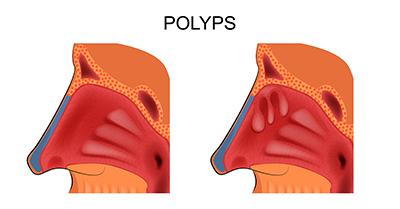
Nasal polyps are soft, noncancerous growths that develop inside the nasal passages or sinuses. Though often small, they can cause significant discomfort and interfere with normal breathing when they become larger or more numerous. Understanding the signs, causes, and treatment options for nasal polyps can help patients seek timely care and restore their quality of life.
Symptoms of Nasal Polyps
Small polyps do not show noticeable symptoms, but as they grow, patients usually experience chronic nasal issues. Common symptoms include chronic congestion, breathing difficulty through the nose, loss of smell or taste, repeated sinus infection, facial pressure, headache, and snoring. Nasal polyps may also cause sleep apnea in some cases. Because these symptoms are similar to other sinus conditions, a medical evaluation is necessary to provide a correct diagnosis.
What Causes Nasal Polyps?
Nobody is quite sure why nasal polyps develop, though chronic inflammation is at the heart of it. People with asthma, allergies, chronic sinusitis, or aspirin sensitivity are more likely to develop them. Also, genetic susceptibility may increase the risk. Over time, long-term irritation in the sinuses and nasal passages causes tissue changes and results in the development of polyps.
Treatment Options for Nasal Polyps
Treatment centers on reducing inflammation, reducing the size of the polyps, and preventing recurrence. Treatment normally begins with medications such as nasal corticosteroid sprays or steroids taken orally to minimize swelling. For infections, antibiotics would be administered.
For patients whose symptoms persist despite medical therapy, minimally invasive sinus surgery may be recommended. Endoscopic surgery allows an ENT specialist to remove the polyps and improve sinus drainage. While surgery is effective, ongoing medical management is usually needed to help prevent regrowth.
When to See an ENT Specialist
If you’ve had prolonged nasal congestion, recurrent sinus infections, or difficulty breathing through your nose, it may be time to see an ENT specialist. Prompt treatment can not only improve daily comfort but also prevent complications like chronic sinus disease or worsening sleep issues.
- posted: Sep. 10, 2025
- ENT Conditions
Nasal polyps are soft, noncancerous growths that develop inside the nasal passages or sinuses. Though often small, they can cause significant discomfort and interfere with normal breathing when they become larger or more numerous. Understanding the signs, causes, and treatment options for nasal polyps can help patients seek timely care and restore their quality of life.
Symptoms of Nasal Polyps
Small polyps do not show noticeable symptoms, but as they grow, patients usually experience chronic nasal issues. Common symptoms include chronic congestion, breathing difficulty through the nose, loss of smell or taste, repeated sinus infection, facial pressure, headache, and snoring. Nasal polyps may also cause sleep apnea in some cases. Because these symptoms are similar to other sinus conditions, a medical evaluation is necessary to provide a correct diagnosis.
What Causes Nasal Polyps?
Nobody is quite sure why nasal polyps develop, though chronic inflammation is at the heart of it. People with asthma, allergies, chronic sinusitis, or aspirin sensitivity are more likely to develop them. Also, genetic susceptibility may increase the risk. Over time, long-term irritation in the sinuses and nasal passages causes tissue changes and results in the development of polyps.
Treatment Options for Nasal Polyps
Treatment centers on reducing inflammation, reducing the size of the polyps, and preventing recurrence. Treatment normally begins with medications such as nasal corticosteroid sprays or steroids taken orally to minimize swelling. For infections, antibiotics would be administered.
For patients whose symptoms persist despite medical therapy, minimally invasive sinus surgery may be recommended. Endoscopic surgery allows an ENT specialist to remove the polyps and improve sinus drainage. While surgery is effective, ongoing medical management is usually needed to help prevent regrowth.
When to See an ENT Specialist
If you’ve had prolonged nasal congestion, recurrent sinus infections, or difficulty breathing through your nose, it may be time to see an ENT specialist. Prompt treatment can not only improve daily comfort but also prevent complications like chronic sinus disease or worsening sleep issues.
Our Office Hours
Monday
8:30 am - 4:30 pm
Tuesday
8:30 am - 4:30 pm
Wednesday
8:30 am - 4:30 pm
Thursday
8:30 am - 4:30 pm
Friday
7:30 am - 3:00 pm
Saturday
Closed
Sunday
Closed